


How do you deal with food waste in your kitchen, and what is worth knowing about it
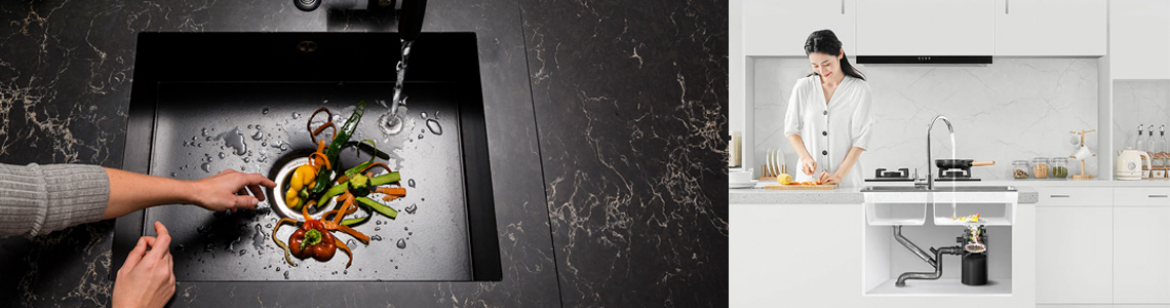
Let me introduce a device that changes the way you handle organic waste at home — a food waste disposer. Installed under the sink, it becomes a discreet part of a modern waste-sorting system and lets you send food scraps safely down the drain. It is clean, environmentally friendly, and surprisingly convenient
To fully embrace a green lifestyle, you will also want four separate containers for glass, metal, plastic, and paper. With this simple setup, you can consider yourself someone who genuinely lives by sustainable values
Why a disposer is worth it
Compared with the usual way of throwing food waste into the bin, a disposer offers several clear advantages:
-
No smell from the trash and no fruit flies
-
You take out the garbage far less often
-
No risk of leaking bags while you carry them out
-
No need to buy garbage bags just for food waste
Price and choice
What does this kind of device cost? Entry-level household models start at around €250, while high‑end units can reach €800. In my experience, most people skip this solution not because of the price, but simply because they have never heard of it
Now that you know it exists, you can decide whether to stick with the old approach to waste sorting or move to a more intelligent, modern system in your kitchen
My top picks among disposer brands:
-
InSinkErator (USA)
-
Blanco (Germany)
-
Franke (Germany)
This article is not advertising. My goal is to give you practical information that will help you create a well‑equipped, thoughtful kitchen
The video below shows clearly how a disposer works in everyday use
Author
Viacheslav Heichenko